“Dry sun” search results (1000)

Introduction to the treatment of Coffee Raw beans there are several treatment methods for coffee prices of domestic coffee raw beans
Pulped-natural, also known as honey treatment (Miel Process in Spanish), is said to refer to the process of making raw beans that are sun-dried with mucous membranes. The honey treatment process is vulnerable to pollution and mildew, so it needs to be closely watched throughout the process, constantly turning, and speeding up drying, so as to avoid bad fermentation flavor. Its advantage is that it can best preserve the original sweetness of the ripe fruit of coffee.
2016-08-01 Coffee raw beans treatment introduction several methods domestic price sun pul
Sunburn Yega Chuefei and aricha Aretha Coffee beans taste wash flavor description manor producing area name
Flavor: dried strawberries, passion fruit, black plum, sweet tropical fruit, fruit wine, brown sugar syrup taste: excellent sweet and sour, bright and refreshing multi-level raw bean defect rate is relatively low in terms of sun-dried beans, the aroma is also very good, the default setting is medium-shallow baked goods. The dry powder has a strong berry aroma, which can feel a little sweet. You can feel a touch of clarity at the entrance.
2016-10-20 Sun Yega Chevy aricha Ari Coffee beans Taste Water washing Wind
Baru Volcano, a coffee-producing area in Panama
Dry incense can be said to be the most charming place of this bean. After grinding, you can obviously feel a kind of elegant floral fragrance, fresh and elegant, but it is not like Yega Xuefei's floral fragrance rising all the time, but a feeling of eloquence. In addition, there is obvious honey sweet fragrance, the overall dry fragrance is low and melodious, the honey sweet fragrance is more prominent after water injection, and the entrance of the coffee is very gently sour across the mouth.
2016-06-15 Panama coffee producing areas Baru volcano dried incense it can be said this beans.
Two methods of wet treatment and dry treatment in the processing of fresh coffee beans
Wet treatment requires the use of specific equipment and a large amount of water. When properly operated, it can ensure that the original quality of coffee beans is better preserved, producing homogeneous coffee beans with few bad beans. As a result, coffee beans produced in this way are generally considered to be of better quality and charge higher prices. Even after careful harvest, a certain amount of underdried and undercooked coffee
2015-06-06 Coffee fresh beans processing two methods treatment requirements use specific
General knowledge of Fine Coffee beans Diversified ways of handling Brazilian Coffee
Brazilian coffee farms choose sun, half-sun or water washing treatments according to the dry and humidity conditions of the climate to show the best regional flavor. Such a pluralistic approach is rare in the world. Before 1999 ⊙, rough tanning was almost always used in Brazil. This is the main culprit for Brazilian beans to be easily infected with the smell of dirt and rotten wood, because coffee fruits are exposed to the sun for two to three weeks.
2015-04-02 Boutique coffee beans common sense Brazil coffee processing methods diversification
A brief introduction to Brazilian Coffee
Coffee varieties: both Arabica and Robusta are raw and manufactured, of which Arabica accounts for 70% to 80%. Among Arabica coffee varieties, there are Modo Novo, Catuai, Bourbon, Maragoripe and so on. Coffee harvest can usher in three or four harvest seasons in a year, and mechanical picking is extremely widespread. The path of picking is very different from that of other masterpieces. Mechanical picking
2015-09-08 Brazil Coffee profile Variety Rabbi Robbs Booth Yousheng
The method of taking beans: the difference, operation introduction and advantages of sun, water washing and half-sun and half-washing.
Today, I'd like to introduce the way to get beans from coffee: everyone knows citrus. Banana。 Apples and other fruits are rich in organic acids, immature fruits eat sour and astringent taste, ripe fruits taste sweet and delicious, because the organic acids of the fruit are converted into sugar. Coffee should also be picked after it is red and ripe, and the beans are more sweet. If the coffee farmer wants to save trouble, regardless of the coffee fruit
2016-01-20 Take beans method insolation washing distinction operation introduction advantages
What are the processing methods of fine coffee common sense coffee raw beans?
After picking, coffee fruits need to go through a series of processes before they can become what we call coffee raw beans. This series of processes are often referred to as the handling of raw coffee beans or the rough processing of raw coffee beans in the industry. Before we talk about the classification of specific treatment methods, let's take a look at the structure of coffee fruits and raw coffee beans. Coffee fruit from outside to inside is: pericarp (exocarp)
2015-01-08 Boutique coffee common sense raw beans which processing methods picking need
Introduction to the processing method of sun washing and semi-washing of coffee beans
Introduction of coffee treatment 1. The process of natural solarization (Natural/Dried-in-the-Fruit) is the simplest. The fruit begins the process of sun drying without treatment after picking. This is the oldest method of treatment in existence. This method is still used in places such as Ethiopia and Brazil. Natural solarization is most common in areas where water resources are scarce.
2016-10-21 Coffee beans solarization washing processing process method treatment introduction coffee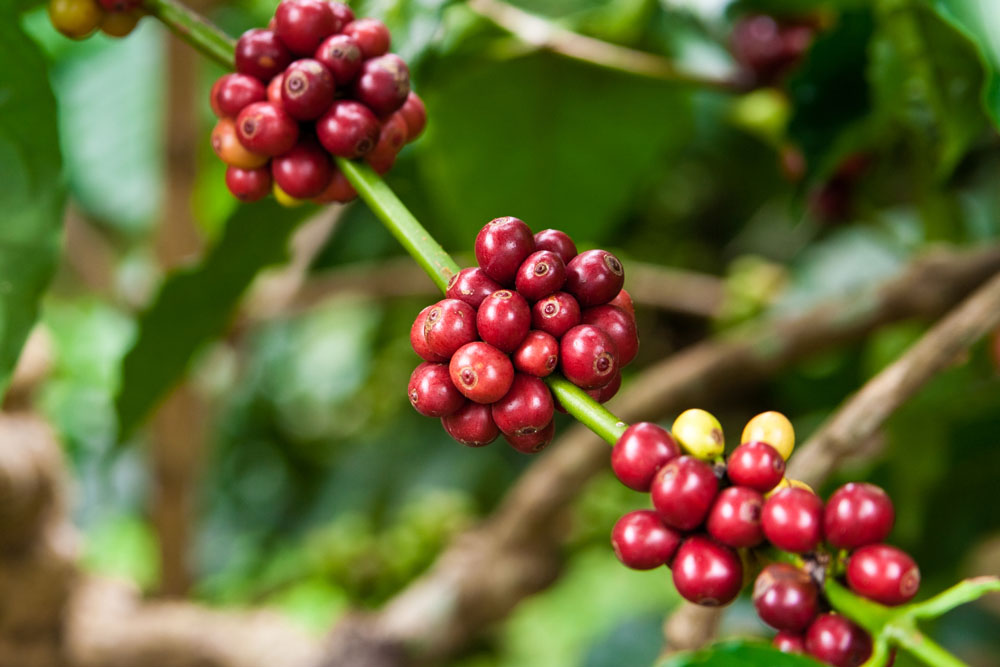
Ethiopia Yega Chuefei Sun Banchimaji BenchMaji African beans
Garden Coffee (garden) is now the main force of Ethiopian coffee. It is near the homes of small coffee farmers. The average planting area of each small coffee farmer family is less than one hectare. These small farmers form numerous cooperatives of different sizes, and the producing areas are also concentrated in the south and southwest, as well as in the east (Sidamo, Gedeo, South and North Omo). Hararghe, Wolega and
2016-07-19 Ethiopia Yega Sheffield Sun Bangui Maggie BenchMaji
Introduction to the treatment methods and methods of coffee beans there are several treatment methods of coffee beans
Pulped-natural, also known as honey treatment (Miel Process in Spanish), is said to refer to the process of making raw beans that are sun-dried with mucous membranes. The honey treatment process is vulnerable to pollution and mildew, so it needs to be closely watched throughout the process, constantly turning, and speeding up drying, so as to avoid bad fermentation flavor. Its advantage is that it can best preserve the original sweetness of the ripe fruit of coffee.
2016-07-18 Coffee beans treatment methods introduction several sun pulped-n
Three common ways to treat coffee beans
Semiwashed Method: This is a combination of sun and water washing treatment, first with the same way as the water washing method to remove the pulp and peel, followed by drying method to let the coffee beans still attached to the mucosa completely dry, and then the dried coffee beans wet, with a machine to remove the residual mucosa, and then can be dried for storage. Because at the same time
2016-06-12 coffee beans common three kinds treatment way semi-water washing method Semiwash
Introduction of Yunnan Huangmi Coffee Flavor description Grinding Calibration quality treatment method Manor
Beans treated with Yunnan coffee honey need to be well ventilated in the sun, otherwise the retained pectin mucosa is easy to ferment or mildew and cause bad smell. If you are exposed to the sun directly in the cement or on the ground with soil, it is easy to scratch and cut the coffee beans, which will lead to the invasion of bacteria, and the direct soil sun will make the coffee beans taste like dirt. (like the early Mantenin belt
2016-10-21 Yunnan yellow honey coffee flavor description grinding scale quality treatment manor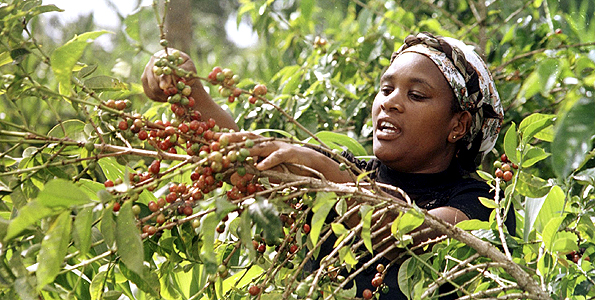
Yega Xuefei Sun treatment Banki Magi Ethiopia primeval Forest China Coffee net Fine Coffee
There are eight main producing areas of Ethiopian coffee: Ekempti, Limu, Illubabor, Djimma, Harrar, Teppi/Bebeka, Sidamo, Yirgacheffe. Ethiopian coffee is highly rated in Taiwan, especially Chinese people are particularly interested in the three famous producing areas of Ethiopia, namely Harrar, Sidamo and Yirgacheffe.
2016-03-29 Yega Sheffield Solar processing Banki Maggie Ethiopia Primeval Forest medium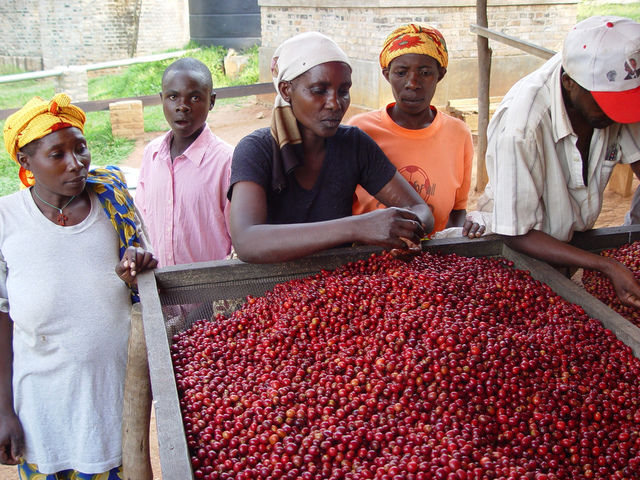
The processing method of raw coffee beans in China Coffee Network the method of solarization in Ethiopia Yega Xuefeijia
Due to the use of natural sunlight to dry the fruits and raw beans of coffee, it is also called natural drying. Due to the use of artificial and natural treatment methods in the process, the sun-cured beans look irregular and unflattering in appearance. 1. Choose beans: put the harvested fruit in the water tank, and the ripe fruit will sink, while the unripe and overripe fruit
2016-04-25 China Coffee Raw beans treatment methods Solar Ethiopia Yega Sheffield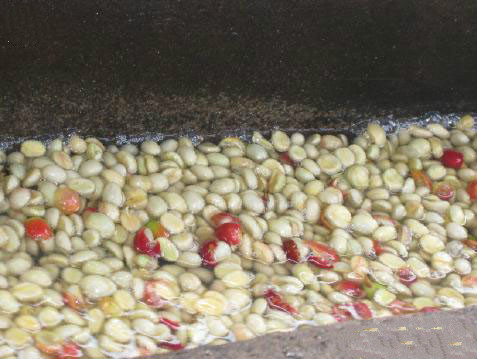
What is semi-washed Coffee beans semi-washed Coffee beans Refining semi-washed Yega Shevico
Sun drying: the sun drying method is also called natural drying because it uses natural sunlight to dry the fruits and raw beans of coffee. Due to the use of artificial and natural treatment methods in the process, the sun-cured beans look irregular and unflattering in appearance. Washing coffee bean treatment method Coffee beans harvested must immediately enter the treatment program, otherwise they will begin to ferment and make coffee
2016-04-25 What half-water washing coffee beans preparation style snow Fico sun
Ethiopia Yega Snow Coffee Sun Coffee cooked beans Yega Sheffield G1 Shepherd issued an order for baking
Coffee bean details: country: Ethiopian level: G1 production area: Kochere altitude: 1800-2000m treatment: sun varieties: Heirloom soil characteristics: volcanic laterite flavor: peach honey citrus sucrose dry aroma: clean and delicate aroma, floral, vanilla, peach, honey, sucrose wet fragrance: vanilla, peach, peach, flower, citrus
2015-07-24 Ethiopia Yega Snow Coffee Sun Coffee cooked beans Sheffield Shepherd place orders
The production method of Kopi Luwak and Kopi Luwak
The civet likes to eat the ripe red coffee fruit on the coffee tree; pick out the undigested coffee seeds from cat droppings; remove the silver-gray film of the coffee seeds, wash them in water and dry them in the sun; stir-fry to make Luwak coffee beans. Kopi Luwak production skills 1. Indonesians remove the silver-gray film on the appearance of coffee beans, wash them with water, dry them in the sun, and then turn them over.
2016-05-26 Cat poop coffee making method musk favorite tree ripe red cat
Brazil Cafes Do Brazil (part two)
Coffee varieties Arabica and Robusta are produced, of which Arabica accounts for 70% to 80%. In Arabica coffee, the more common varieties are Modo Novo, Catuai, Bourbon, Maragoripe and so on. Coffee harvest can have three or four harvest seasons in a year. Mechanical picking is very common. The method of picking is very different from that of other boutique countries. Mechanical picking process
2014-09-03 Brazil
Wholesale price of imported boutique coffee and raw beans in Ethiopia Yega Xuefei Sun Banki
There are eight main producing areas of Ethiopian coffee: Ekempti, Limu, Illubabor, Djimma, Harrar, Teppi/Bebeka, Sidamo, Yirgacheffe. Ethiopian coffee is highly rated in Taiwan, especially Chinese people are particularly interested in the three famous producing areas of Ethiopia, namely Harrar, Sidamo and Yirgacheffe.
2016-04-14 Ethiopia Yega Sheffield Sun Banki Maggie imported boutiques Coffee Health